The Importance of Fencing in Farmhouse Households
Choosing the Right Fence for Your Farm Needs
Fencing plays a critical role in the operation and management of farmhouse households, serving as a boundary that protects livestock and crops while enhancing the overall functionality of the land. Effective worcester fencing not only keeps animals contained but also safeguards them from predators, ensuring the safety of valuable livestock. In a farming context, choosing the right type of fence is essential, as it directly impacts the productivity and security of the property. Traditional wooden fences have long been a staple in rural settings due to their aesthetic appeal and ability to blend into the natural landscape. However, they require regular maintenance to withstand the elements and deter pests, which can be an ongoing commitment for farmers.
In recent years, more durable options like barbed wire and high-tensile fencing have gained popularity among farmhouse households. Barbed wire is particularly effective for containing larger animals such as cattle, as its sharp edges discourage any attempts to escape. High-tensile fencing, while initially more expensive, offers a long-lasting solution that can withstand the rigors of farm life without needing frequent repairs.
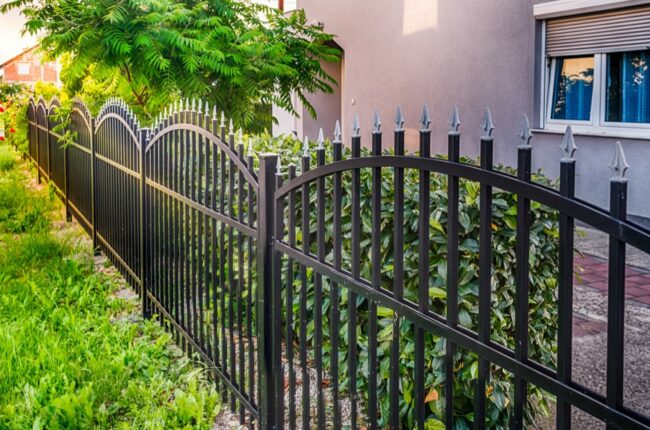
Additionally, electric fencing has emerged as a modern alternative, providing an efficient way to manage livestock while being cost-effective over time. With the ability to create temporary pastures or rotational grazing systems, electric fencing empowers farmers to optimize their land use and promote healthier grazing practices.
Moreover, fencing can also enhance the overall aesthetic of a farmhouse, creating a welcoming environment for visitors while delineating property boundaries. A well-chosen fence can reflect the character of the home and contribute to the charm of rural life. Ultimately, the right fencing solution for a farmhouse household depends on factors such as budget, the specific needs of the livestock, and the desired aesthetic, making it a crucial consideration for any farmer looking to improve their land.