Understanding the Frequency of Electrical Inspections in Homes
The Role of Home Inspectors in Electrical Safety
Regular electrical inspections are essential for maintaining safety and efficiency in residential properties. Homeowners often overlook the importance of these inspections, assuming that their electrical systems are functioning properly if they have not experienced any obvious issues. However, the reality is that electrical systems can degrade over time, leading to potential hazards such as electrical fires or shock. To mitigate these risks, it is advisable to have electrical inspections conducted at regular intervals. Generally, a comprehensive inspection every three to five years is recommended, though certain factors may necessitate more frequent evaluations. Visit this link for more details about the importance of electrical inspections.
Several conditions can influence the frequency of electrical inspections. For instance, homes that are older or have undergone significant renovations may require more regular scrutiny. Aging electrical systems may not comply with current safety standards, making it crucial to assess their condition to prevent unsafe practices. Additionally, homes that experience frequent electrical issues, such as tripped breakers or flickering lights, should prompt a more immediate inspection. These signs can indicate underlying problems that need to be addressed promptly to avoid further complications and potential safety hazards.
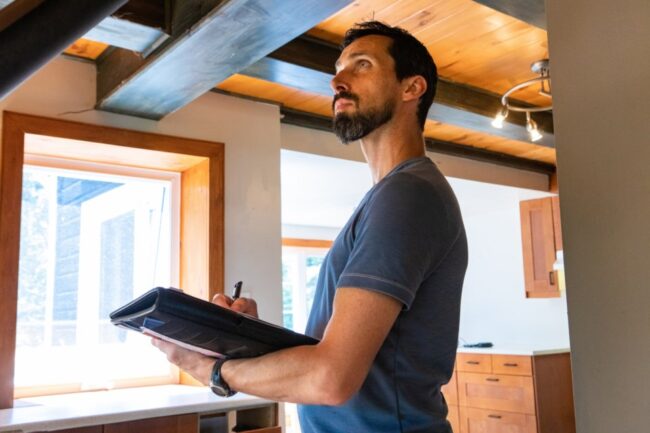
Home inspectors play a vital role in ensuring that the electrical systems within a home are both safe and functional. During an inspection, they evaluate the overall condition of wiring, outlets, and electrical panels, looking for signs of wear and tear or outdated components. Their expertise allows them to identify issues that may not be apparent to the untrained eye, providing homeowners with valuable insights into the state of their electrical systems.
Beyond the routine inspections, homeowners should also consider scheduling evaluations following any significant weather events or if they notice unusual electrical behavior. Lightning strikes, flooding, or heavy storms can compromise electrical systems, and having them inspected afterward can prevent future hazards. Ultimately, prioritizing regular electrical inspections not only ensures compliance with safety standards but also fosters a proactive approach to home maintenance. By understanding the importance of these evaluations and adhering to recommended frequencies, homeowners can protect their investments and ensure a safe living environment for themselves and their families.